Brazil
A country the size of the continental United States, with a city wedged between granite peaks and the Atlantic, and a waterfall that makes Niagara look modest.
Portuguese-speaking, African-rooted, continental in scale
Brazil is the only Portuguese-speaking country in the Americas and by some distance the largest — bigger than the continental United States, sharing a border with every South American nation but two. That scale matters for planning: Rio to Manaus is a four-hour flight, and Rio to Iguaçu is two. You cannot drive Brazil in a fortnight, and trying is the most common mistake.
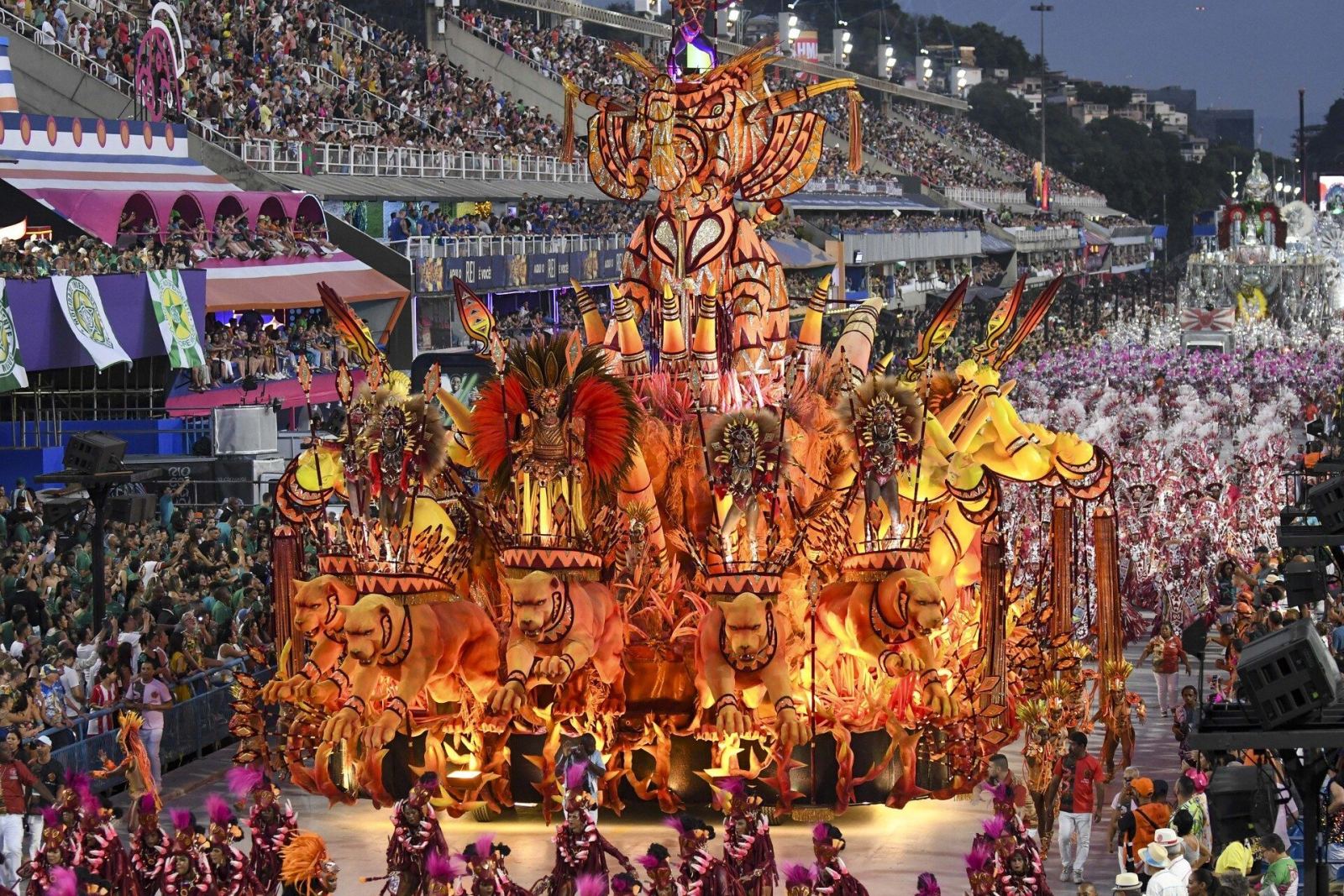
More Africans were brought to Brazil during the slave trade than to anywhere else in the Americas, and the cultural result is everywhere — in candomblé, in capoeira, in the percussion that drives samba, and most concentratedly in Salvador da Bahia, where the food, music and religion are the most visibly African in the country. Rio's Carnival is the one the world watches; Salvador's is bigger and much less of a spectator event.
The seasons run opposite to New England. December through March is Brazilian summer — hot, humid, festive, and when Carnival falls (February or early March). April to June and September to November are the shoulders, and the best value. The Amazon is worth its own decision: the June-to-November low-water season is better for hiking and beaches, while high water from December to May lets small boats travel deeper into the flooded forest.
Brazil, four ways
What we'd actually send you to do
Not an exhaustive list — the handful of things our travelers come home talking about.
Things to do
- Go up Sugarloaf at sunsetTwo cable-car stages. Time it so you are at the top as the light goes and the city switches on beneath you.
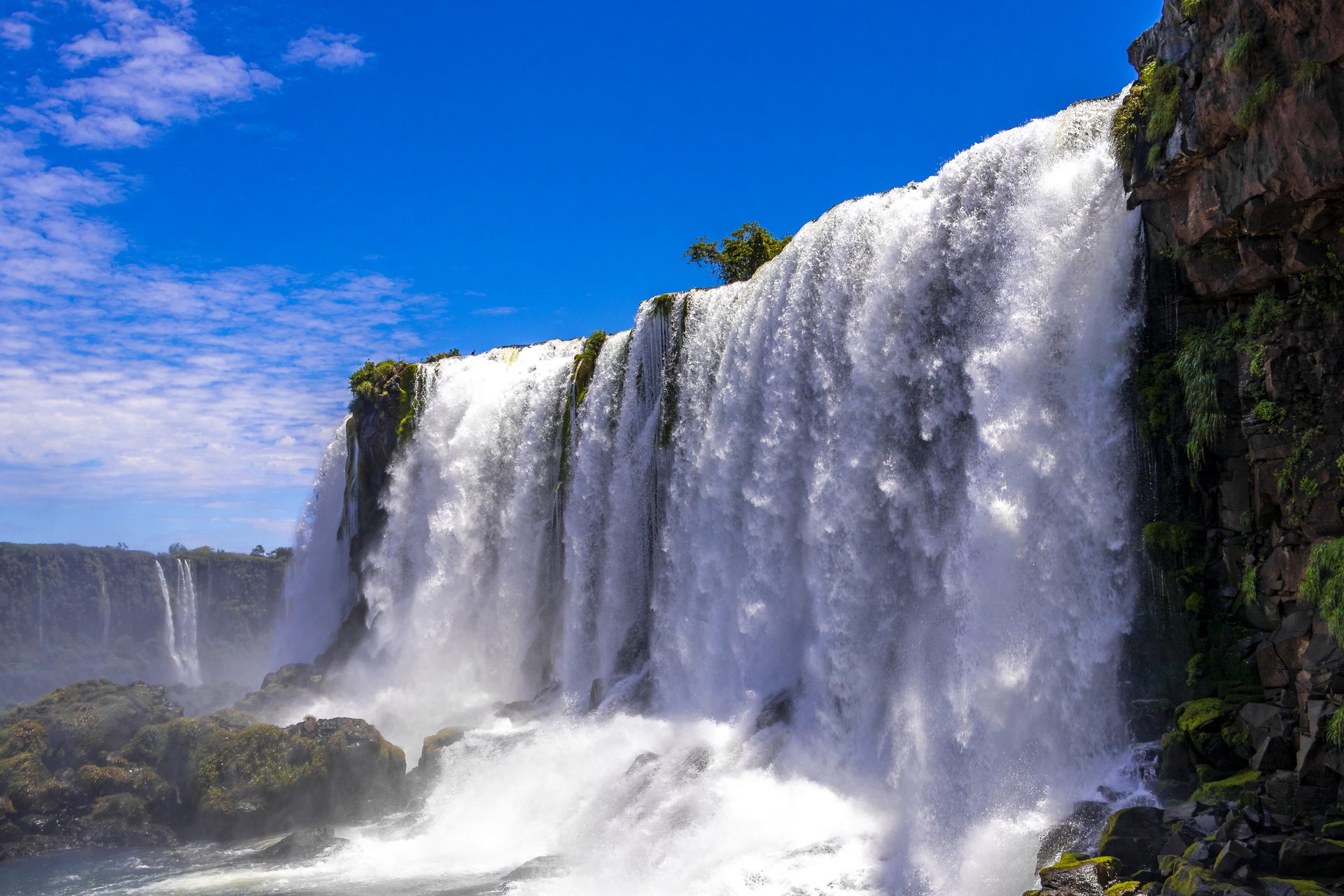
- See Iguaçu from both sidesThe Brazilian side gives the panorama; the Argentine side puts you on walkways over the Devil's Throat. Two days, one border crossing, worth both.
- Take a favela or Rio community tourWith a resident-led operator rather than a bus company. It changes how the rest of the city reads.
- Spend an evening on samba in LapaUnder the arches on a Friday, in the rodas rather than the show clubs.
- Fly to the Amazon for three nightsA lodge out of Manaus. Canoe trips at dawn and after dark are when the forest is actually awake.
Places to go
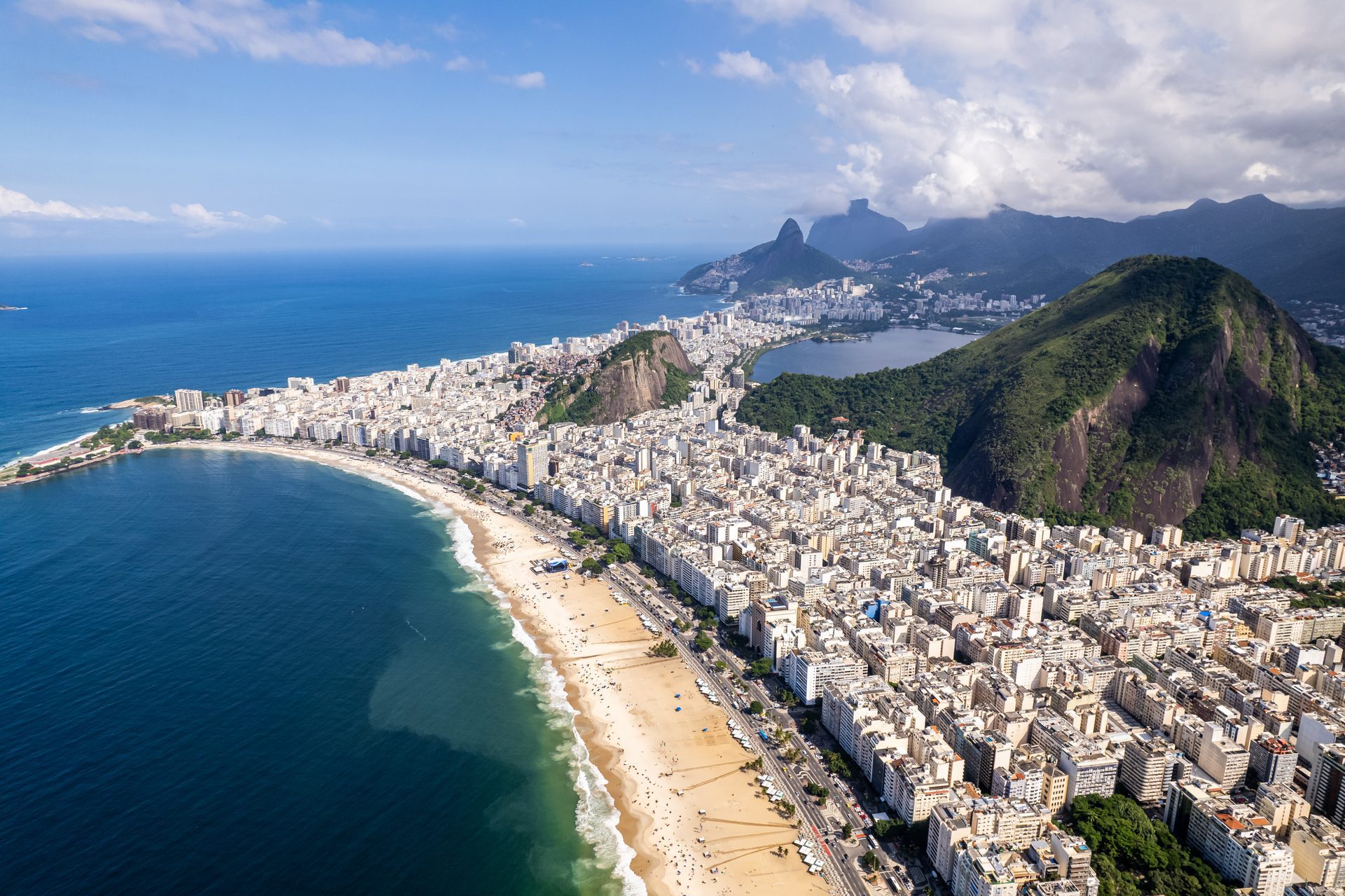
- Rio de JaneiroCopacabana and Ipanema, Corcovado and Sugarloaf, and the Tijuca forest in the middle of the city.
- Iguaçu FallsTwo hundred and seventy-five separate falls across nearly two miles. Fly in; do not drive.
- Salvador da BahiaThe Pelourinho old town, the strongest Afro-Brazilian culture in the country, and beaches either side.
- ParatyA preserved colonial port between the mountains and the sea, four hours down the coast from Rio.
- The PantanalThe world's largest wetland and a far better bet than the Amazon for actually seeing wildlife, jaguars included.
Things to see
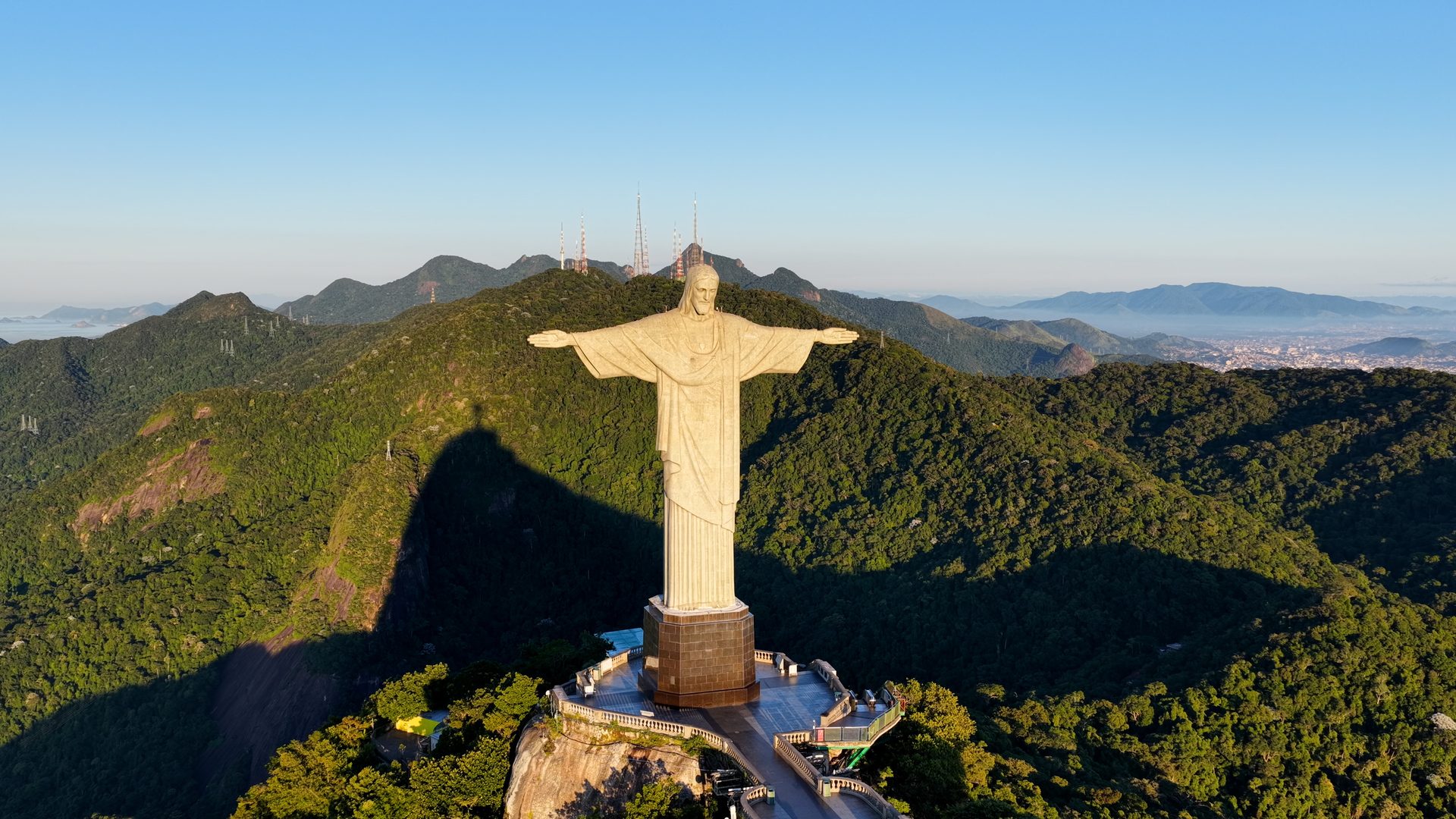
- Christ the RedeemerGo early or late; the middle of the day is crowds and haze. Book the van or the cog railway ahead.
- The Devil's Throat at IguaçuA horseshoe eighty metres high with the spray going straight up. You will get wet.
- Ipanema at the end of the dayThe whole beach applauds the sunset from the rocks at Arpoador. It is not staged.
- The Pelourinho, SalvadorBaroque churches and pastel colonial streets, and drumming most evenings.
- Niemeyer's BrasíliaIf modernist architecture is your thing, a purpose-built capital from 1960 that looks like the future it expected.
On the table in Brazil
Dishes to order
- FeijoadaBlack bean and pork stew with rice, orange and collards. Traditionally Saturday lunch, and then a nap.
- ChurrascoRodízio service — waiters bring skewers until you turn the card over. Picanha is the cut to hold out for.
- MoquecaBahian fish stew in coconut milk, dendê palm oil and peppers, cooked in a clay pot.
- Pão de queijoSmall, chewy cheese breads from Minas Gerais. Eaten all day, everywhere.
Where locals eat
- Botecos in RioCorner bars with cold beer, salted cod fritters and no menu to speak of. Where the city eats.
- Per-kilo lunch buffetsUbiquitous, excellent and cheap. Plate it, weigh it, pay for it.
- Acarajé stands in SalvadorBlack-eyed-pea fritters fried in dendê and split with shrimp, sold by women in white lace.
What to drink
- CaipirinhaCachaça, lime and sugar, muddled. The national drink and dangerously easy.
- Fresh juicesAçaí, cupuaçu, graviola — fruits with no English names, at juice bars on every block.
- CafezinhoSmall, strong, sweet, and offered constantly.
Let's put dates on Brazil
Brazil rewards fewer stops and longer stays — most of our Brazil trips are Rio plus one other region. Tell us roughly when you'd like to travel and we'll come back with real options and current pricing.