Peru
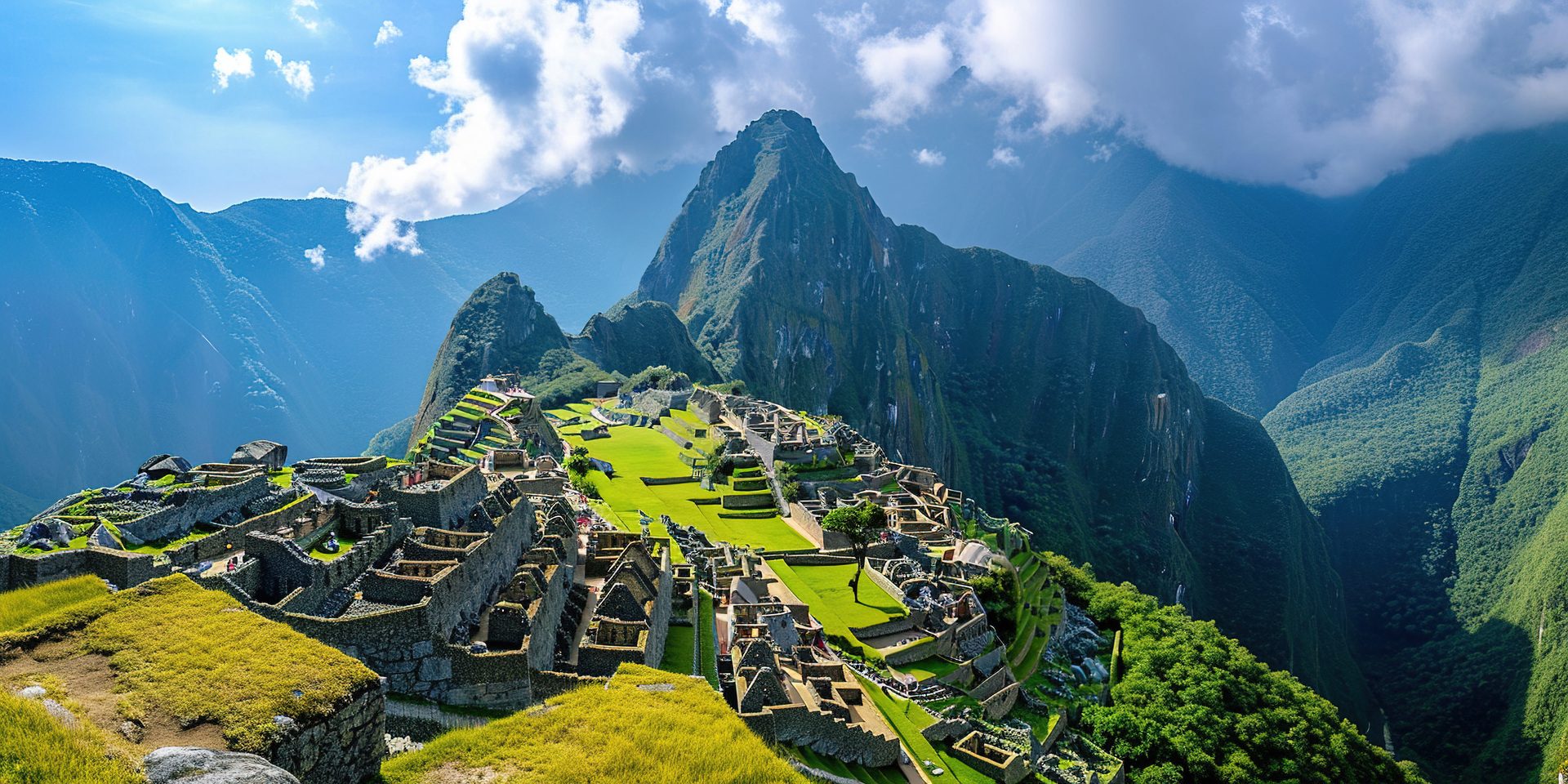
An Inca citadel above the clouds, a colonial city carved from white volcanic stone, and one of the best places on earth to eat.
Three countries stacked on top of each other
Peru divides into three worlds that barely resemble one another. The coast is desert — a thin, dry strip where Lima sits above the Pacific on cliffs. The sierra is the Andes, where Cusco, the Sacred Valley and Lake Titicaca sit between 9,000 and 12,500 feet. The selva is Amazon rainforest, covering nearly two-thirds of the country and holding almost none of its people.
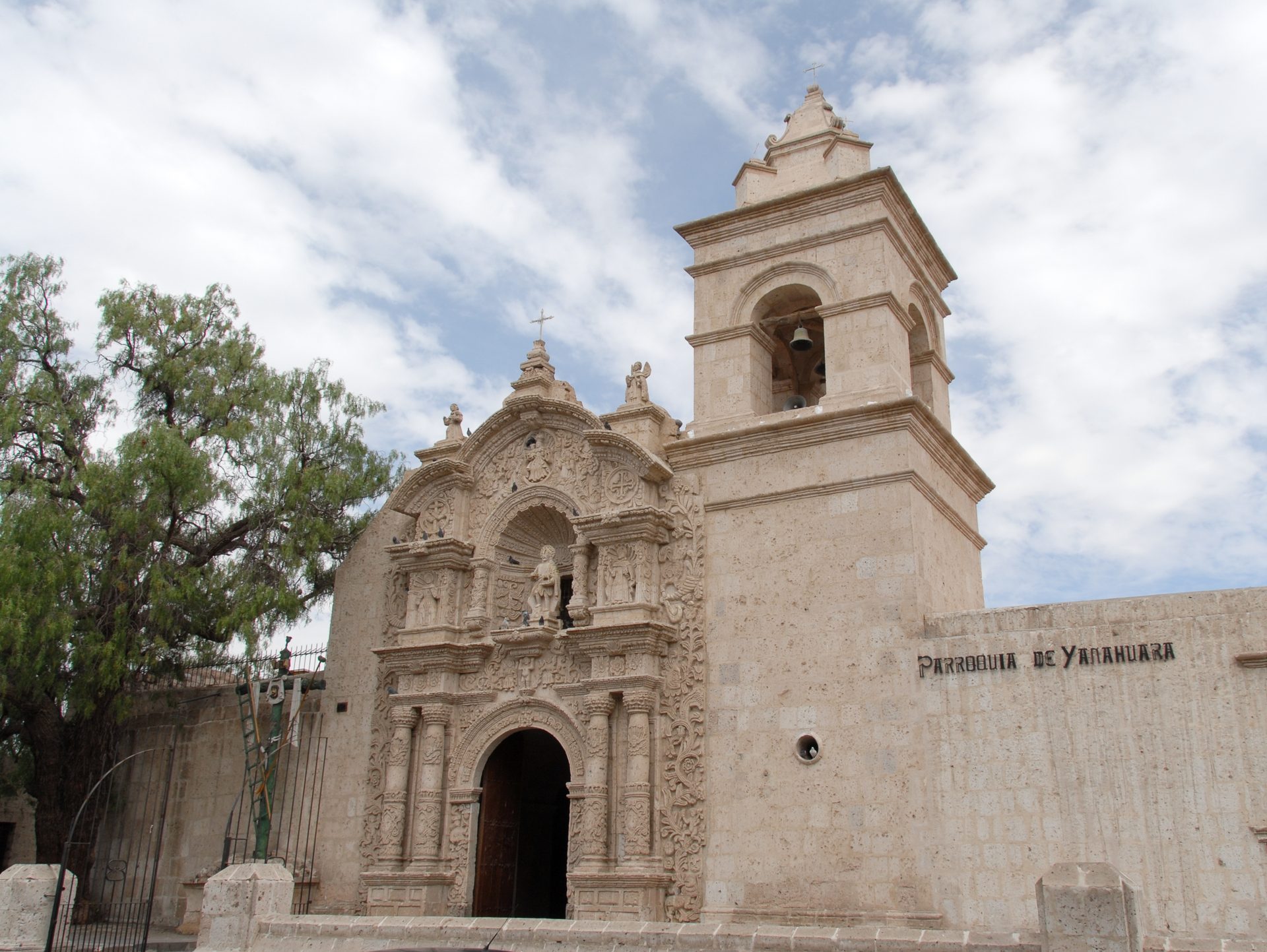
The Inca ran the largest empire in the pre-Columbian Americas from Cusco for roughly a century before the Spanish arrival in 1532, and the layering that followed is visible everywhere. Colonial churches sit directly on Inca foundations because the Inca stonework was better at surviving earthquakes. Quechua is still spoken by millions. Weaving traditions in the Sacred Valley communities are unbroken, not revived.
Two practicalities shape every Peru itinerary. The first is altitude: Cusco is higher than any point in the continental United States east of the Rockies, and you need two nights to acclimatise before doing anything strenuous. We usually route people into the lower Sacred Valley first for that reason. The second is the dry season, May to September — the months worth planning around, and also when Inca Trail permits sell out, six months or more ahead.
Peru, four ways
What we'd actually send you to do
Not an exhaustive list — the handful of things our travelers come home talking about.
Things to do
- Take the train to Machu PicchuFrom Ollantaytambo through the Urubamba gorge. Book the citadel entry, the train and the bus as one package — the timed-entry rules changed and are strictly enforced.
- Acclimatise in the Sacred ValleyTwo nights at Urubamba or Ollantaytambo at around 9,000 feet before you go up to Cusco. It makes the whole trip better.
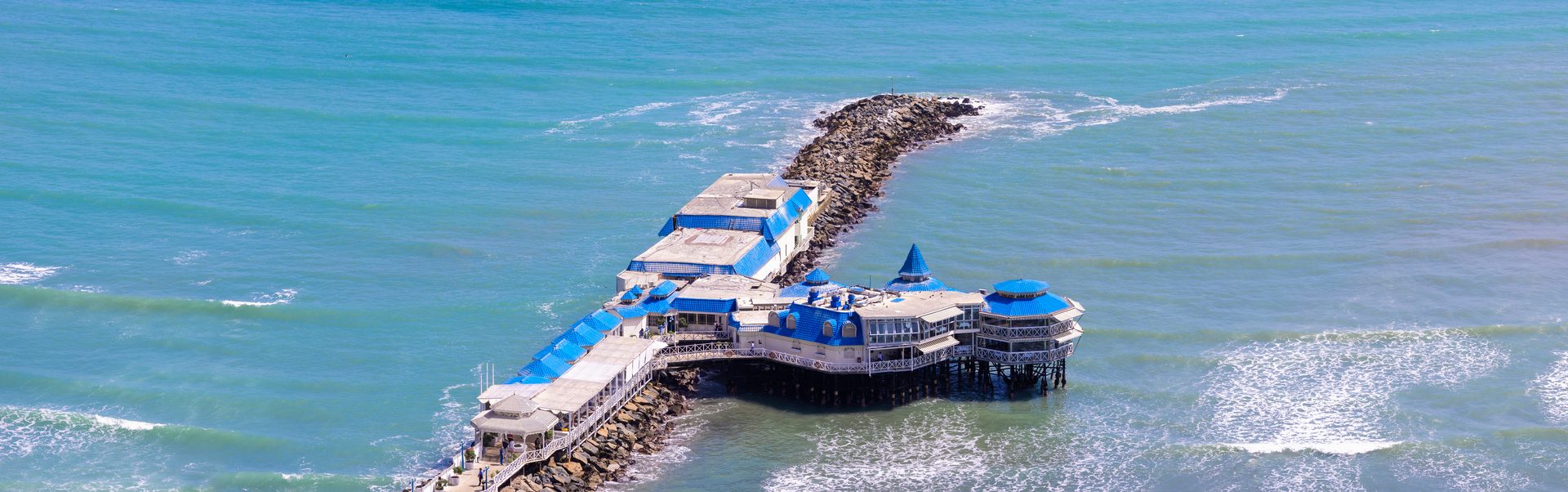
- Eat properly in LimaTwo or three days at the start or end. Miraflores and Barranco hold several of the best restaurants in the Americas.
- Walk the Inca Trail — or the alternativesFour days and a permit booked half a year out. The Lares and Salkantay routes are less regulated and just as beautiful.
- Fly over the Nazca LinesA small plane from Pisco or Nazca. Short, bumpy, and unlike anything else.
Places to go
- CuscoThe Inca capital and the base for everything in the sierra. Give it more than the night before your train.
- The Sacred ValleyPisac, Ollantaytambo, Maras and Moray — ruins, salt pans and weaving villages at a gentler altitude.
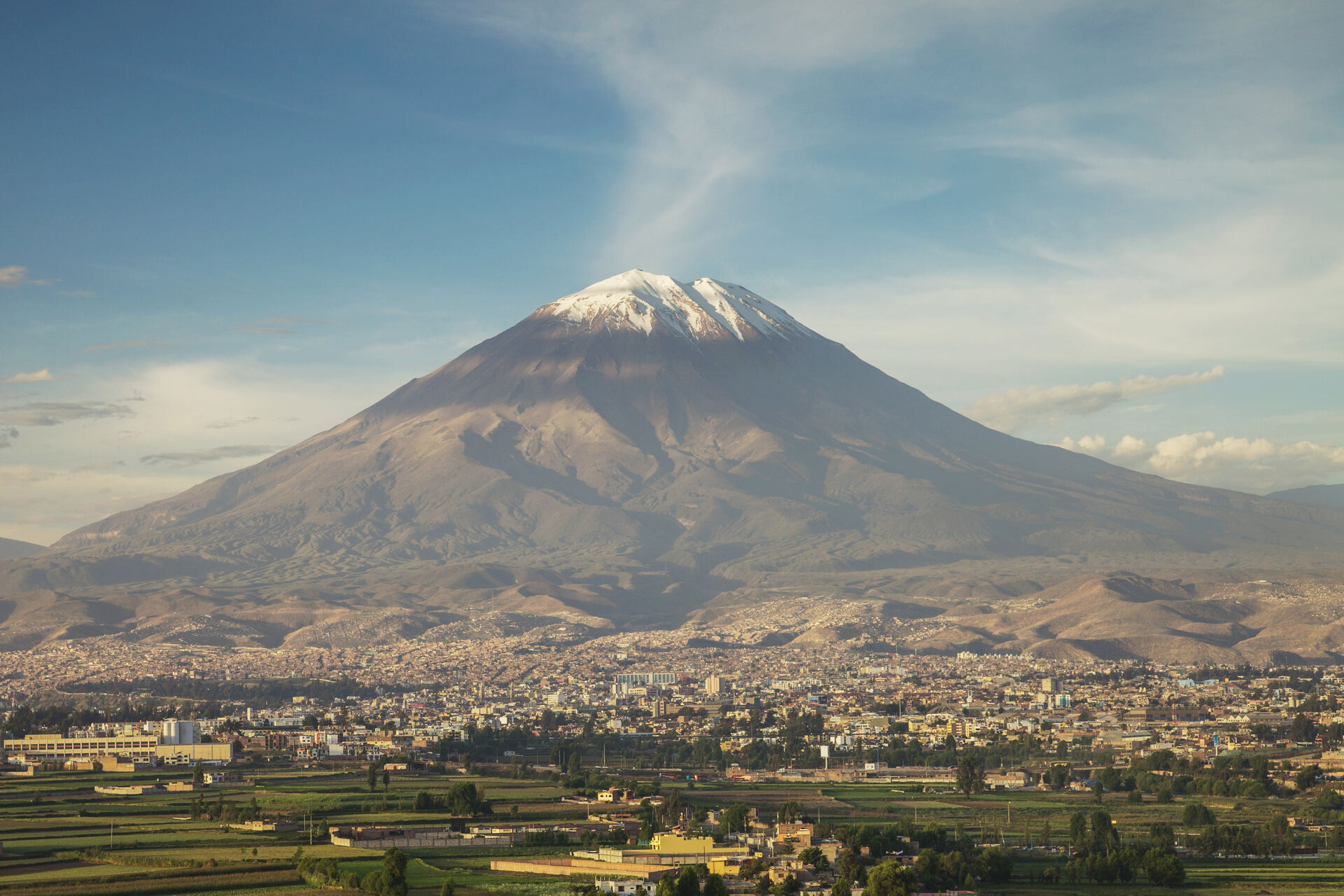
- ArequipaBuilt in white volcanic sillar under three volcanoes, with the Santa Catalina convent at its centre. Peru's most beautiful city.
- Lake TiticacaPuno, the floating reed islands of the Uros, and Taquile. High, cold and genuinely strange.
- The AmazonLodges out of Puerto Maldonado or Iquitos. Three nights minimum to be worth the flights.
Things to see
- Machu Picchu at first entryThe earliest slot, before the day trains arrive, with the mist still moving through the terraces.
- Sacsayhuamán, above CuscoBlocks weighing over a hundred tons, fitted without mortar so tightly a knife blade will not enter.
- Santa Catalina Monastery, ArequipaA walled city within a city, painted ochre and cobalt, occupied by cloistered nuns since 1579.
- The Larco Museum, LimaPre-Columbian gold and ceramics in a colonial mansion, with an open storeroom you can walk through.
- Colca CanyonTwice the depth of the Grand Canyon, with Andean condors riding the morning thermals at the Cruz del Cóndor.
On the table in Peru
Dishes to order
- CevicheRaw fish cured in lime with chilli, red onion and sweet potato. Eaten at lunch, never at dinner — the fish came in that morning.
- Lomo saltadoBeef stir-fried with onion, tomato and soy over fries and rice. The clearest expression of Peru's Chinese-Peruvian chifa tradition.
- Ají de gallinaShredded chicken in a creamy yellow-chilli sauce. Comfort food, and the thing to order at altitude.
- CuyRoast guinea pig, an Andean festival dish for centuries. Order it in the sierra, where it belongs.
Where locals eat
- Barranco and Miraflores, LimaThe two neighbourhoods worth basing yourself in for dinner. Reserve the well-known kitchens weeks ahead.
- San Pedro Market, CuscoJuice stands, cheese, and a row of lunch counters serving caldo de gallina to locals for a couple of dollars.
- Picanterías in ArequipaTraditional lunch-only houses, several of them a century old, serving the regional stews.
What to drink
- Pisco sourGrape brandy, lime, egg white and bitters. The national drink, and a genuinely good one.
- Coca teaOffered at every hotel in the sierra. It helps with the altitude more than you expect.
- Chicha moradaPurple corn boiled with pineapple and cinnamon. Non-alcoholic and served everywhere.
Let's put dates on Peru
Machu Picchu entries and Inca Trail permits are capped daily and sell out months ahead — the earlier we start, the better the itinerary. Tell us roughly when you'd like to travel and we'll come back with real options and current pricing.