Germany
The heart of European river cruising, a capital that rebuilt itself in public, and the best Christmas markets on the continent.
Sixteen states, and not one of them the same
Germany has only existed as a single country since 1871, and before that it was hundreds of principalities, free cities and bishoprics. That history is why the regions still feel so distinct — Bavaria in the Catholic, alpine, beer-hall south has almost nothing in common with Hamburg's Protestant merchant north, and both will tell you so. It is also why the country has so many well-preserved small cities: there was no single capital drawing everything in.
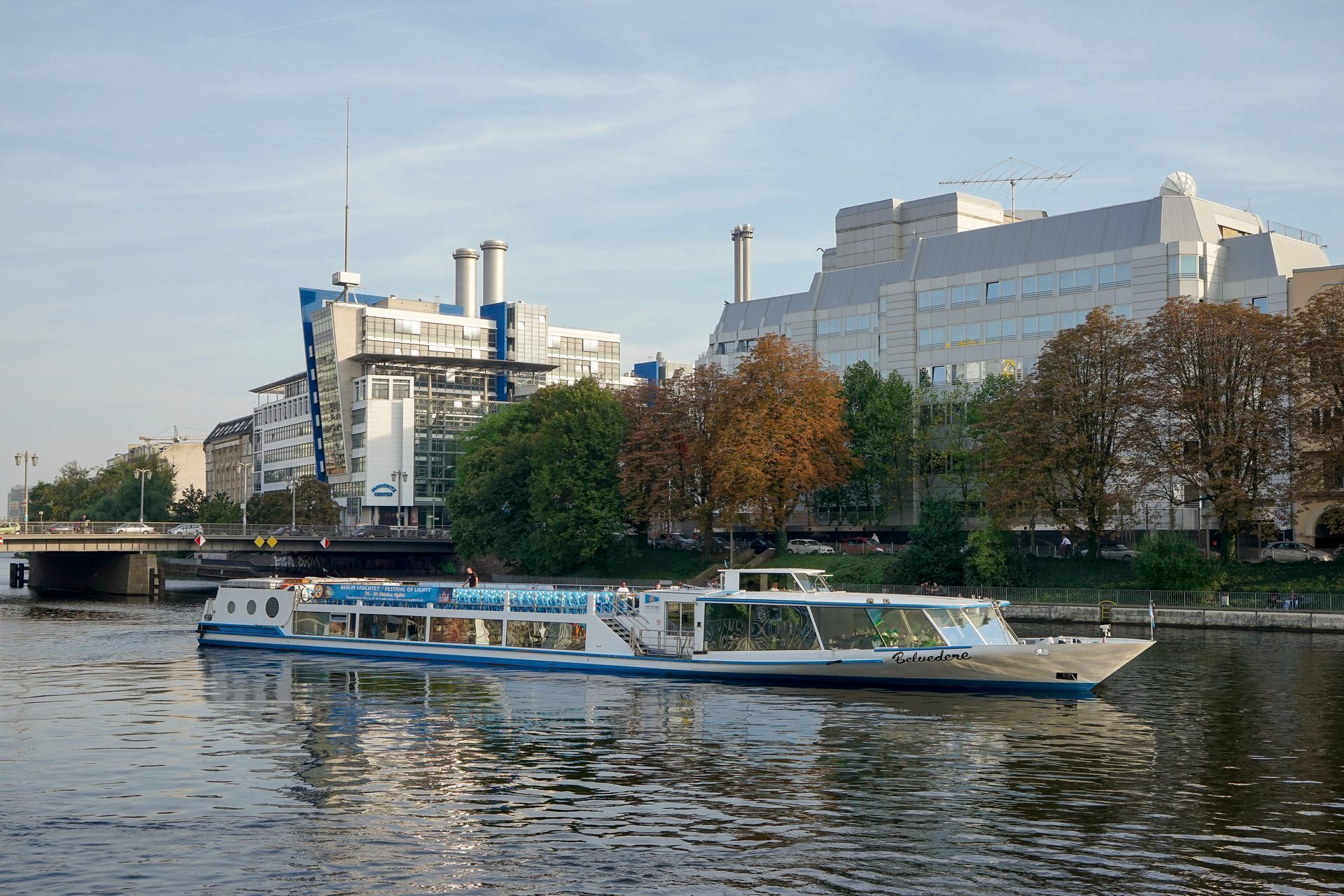
For American travelers, Germany is most often experienced from the water. The Rhine between Amsterdam and Basel, and the Danube from Passau east through Austria and Hungary, are the two backbone river-cruise routes in Europe, and the vessels — a hundred and ninety passengers, one seating for dinner, docking in the middle of town — suit travelers who want to see a great deal without repacking.
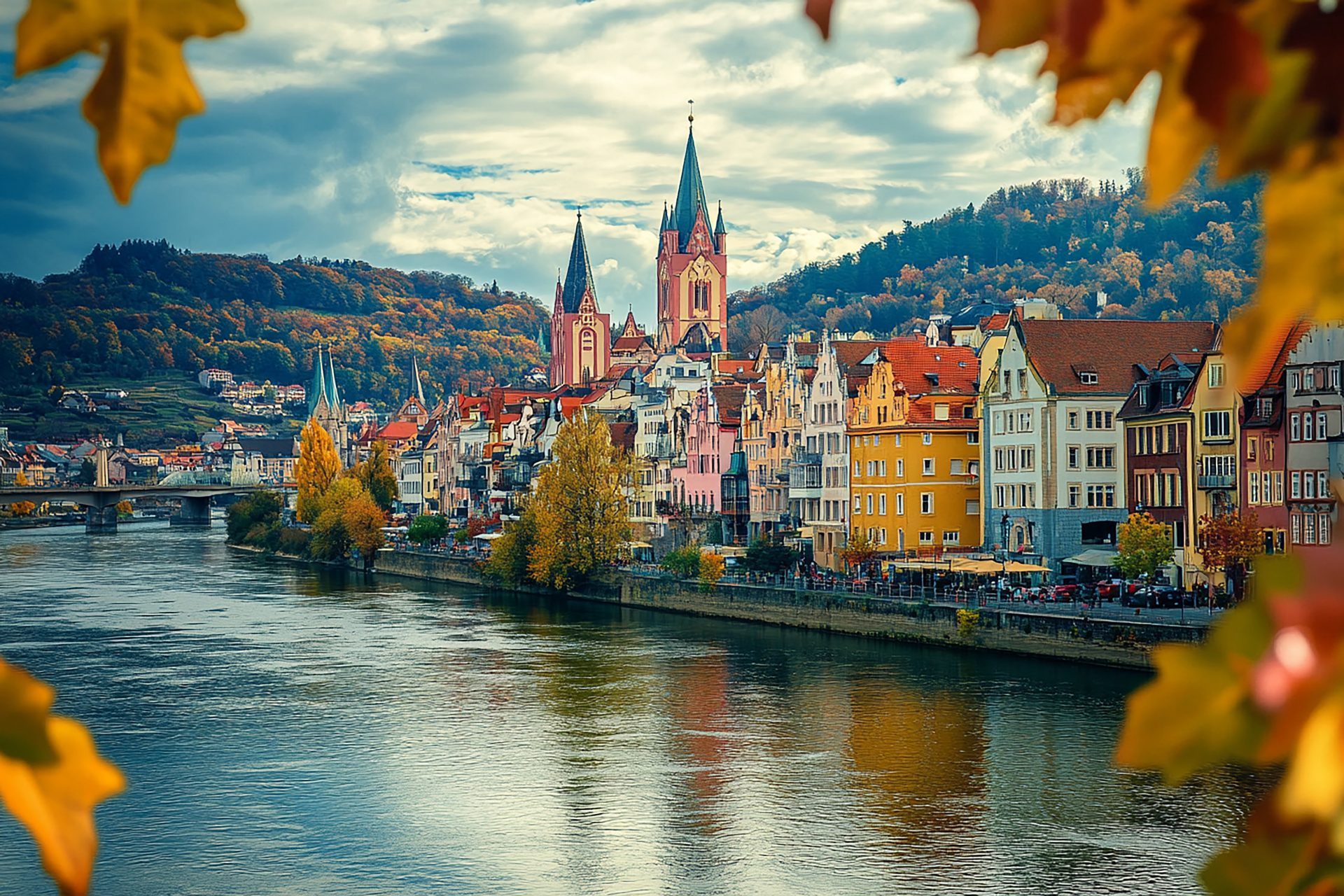
The calendar matters. May to September is high season, with long evenings and every terrace open. Late November to just before Christmas is the market season, when the old squares fill with wooden stalls, mulled wine and roasted almonds — a genuinely different and increasingly popular river-cruise product. January through March is quiet, cold and cheap, and much of the tourist infrastructure in the smaller river towns simply closes.
Germany, four ways
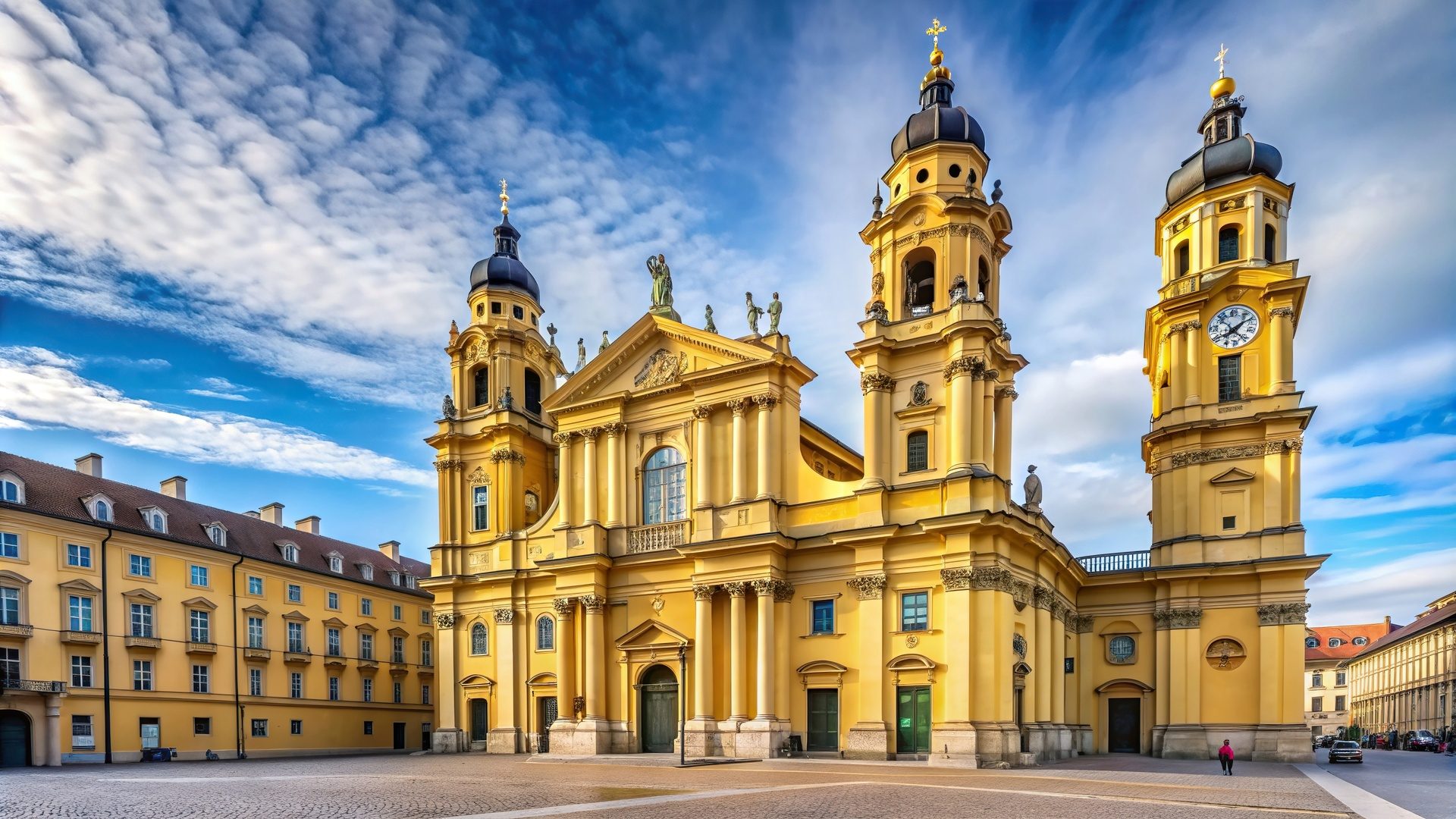
What we'd actually send you to do
Not an exhaustive list — the handful of things our travelers come home talking about.
Things to do
- Cruise the Middle Rhine gorgeForty miles between Rüdesheim and Koblenz with a castle on nearly every bluff. Be on the top deck for it, not at lunch.
- Do the Christmas markets by riverNuremberg, Regensburg, Passau and Vienna in one week, stepping off the ship into each square.
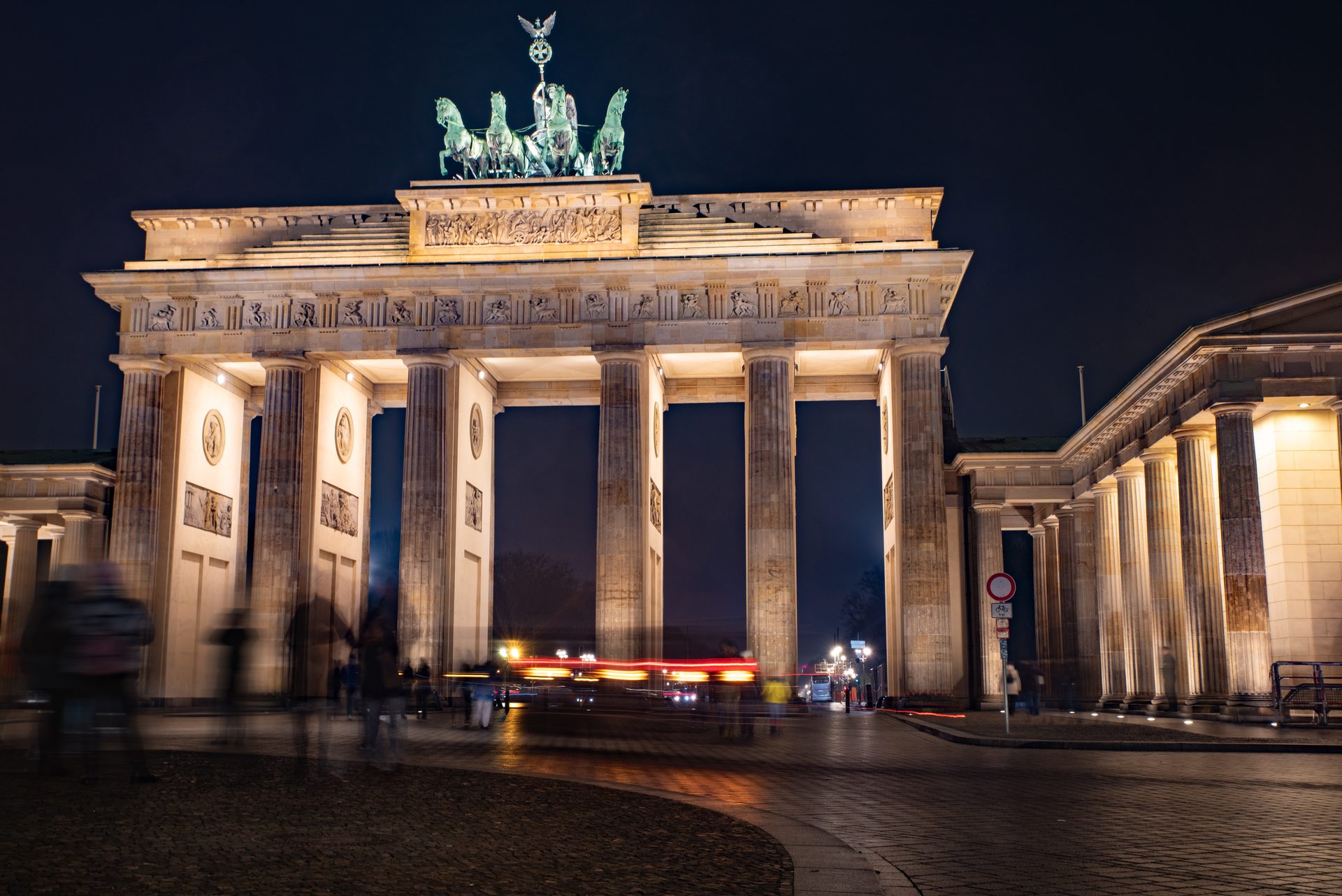
- Walk Berlin's twentieth centuryThe Wall memorial at Bernauer Straße, the Holocaust memorial, Checkpoint Charlie and Museum Island — a serious two days.
- Take the Romantic Road through BavariaWürzburg down to Füssen, with a night in Rothenburg ob der Tauber inside the walls after the day buses leave.
- Sit in a Munich beer gardenUnder the chestnuts at the Chinesischer Turm. You may bring your own food; the beer must be theirs.
Places to go
- The Rhine ValleyCologne, Koblenz, Rüdesheim and Heidelberg — the classic river week.
- BavariaMunich, the Alps, Neuschwanstein and the lakes south to Berchtesgaden.
- BerlinThe most interesting city in the country and the least like the rest of it.
- The MoselleA quieter, prettier, more winding alternative to the Rhine, with steep vineyards to the waterline.
- Dresden & SaxonyRebuilt baroque on the Elbe, and a route that runs on to Prague.
Things to see
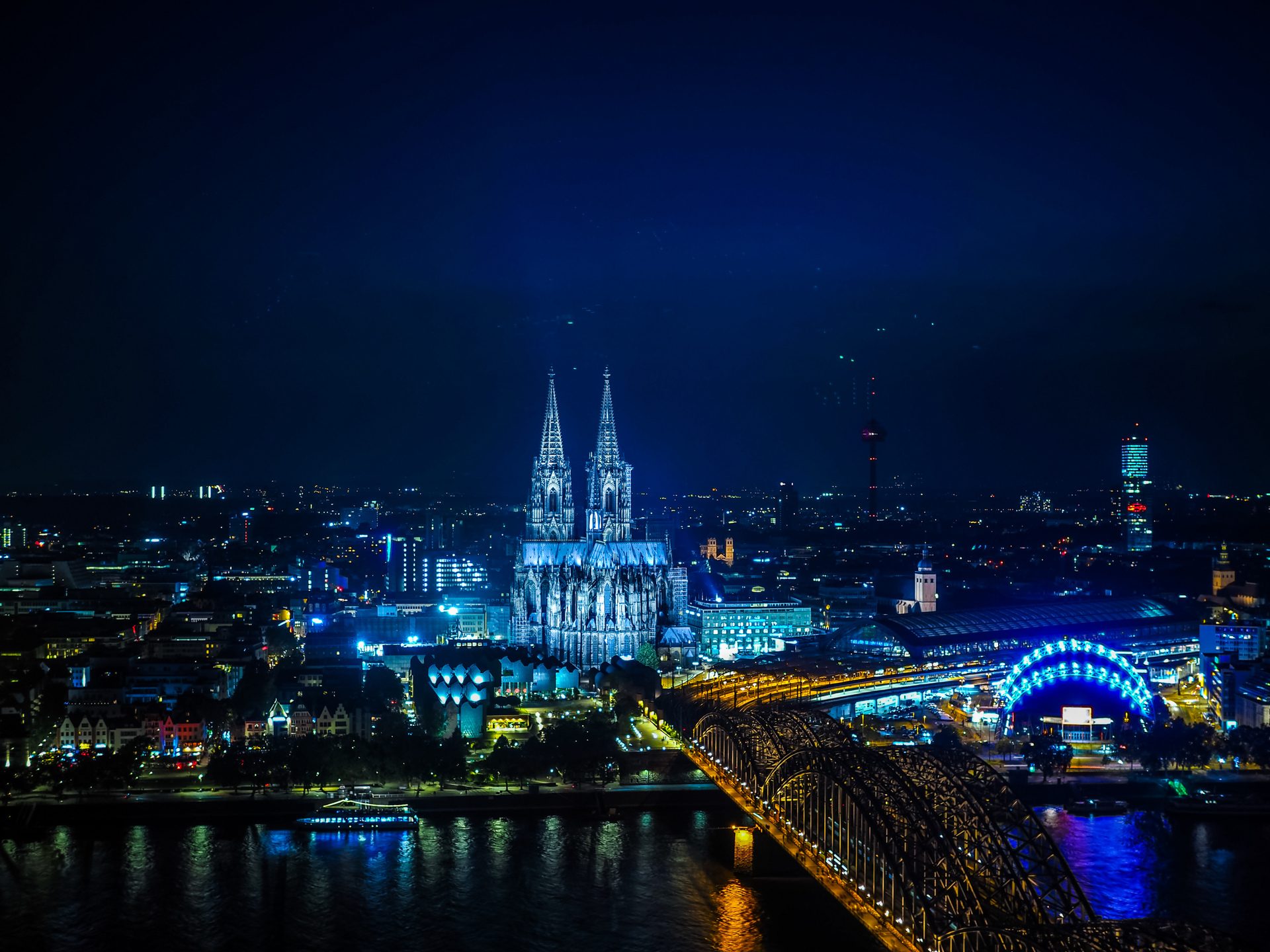
- Cologne CathedralSix hundred years under construction, and it survived the war standing while the city around it did not.
- NeuschwansteinLudwig II's fantasy castle, and the model for the Disney one. Timed tickets, booked ahead, always.
- The Marienplatz GlockenspielMunich's clock figures perform at 11am daily. Enjoyably underwhelming, and everyone goes anyway.
- Museum Island, BerlinFive museums on one Spree island, the Pergamon among them. A UNESCO site in its own right.
- Rothenburg ob der TauberThe best-preserved walled medieval town in Germany. Stay the night; the difference after five o'clock is total.
On the table in Germany
Dishes to order
- SchweinshaxeRoast pork knuckle with crackling, potato dumpling and sauerkraut. A Bavarian institution and a serious commitment.
- CurrywurstSliced sausage, curried ketchup, paper tray. Berlin's contribution to world cuisine.
- SpätzleSoft egg noodles from Swabia, best as Käsespätzle with melted cheese and fried onions.
- Brot and BrötchenGermany has over three thousand registered bread varieties. The bakery counter is not a formality.
Where locals eat
- Gasthäuser in small townsFamily-run, one dining room, a short handwritten menu, and better than the equivalent in any city.
- Market hallsMunich's Viktualienmarkt and Stuttgart's Markthalle for lunch standing up.
- Ship dining, on the riversRegional menus that follow the route, and one seating so nobody is rushed.
What to drink
- Riesling from the Mosel and RheingauBone-dry or off-dry, low in alcohol, and nothing like the sweet stuff sold abroad.
- Kölsch in CologneServed in small 200ml glasses, replaced automatically until you put your coaster on top.
- Glühwein at the marketsMulled and hot, in a market mug you pay a deposit on and can keep.
Let's put dates on Germany
We book the major river lines and know which cabins and decks are worth the difference on each ship. Tell us roughly when you'd like to travel and we'll come back with real options and current pricing.